

Elevated levels of cholesterol present a significant risk to health, potentially leading to severe complications such as heart attacks and strokes.
This condition negatively impacts cardiovascular health by causing the buildup of fatty deposits in arteries, narrowing these vital blood vessels and impeding blood flow to essential organs.
The blockages resulting from this can also instigate peripheral artery disease (PAD), causing discomfort in the limbs and contributing to high blood pressure and potential kidney issues.
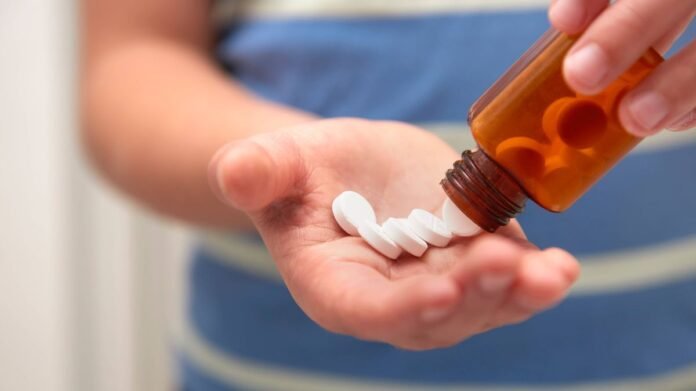
Pharmaceutical treatments, including statins, play a crucial role in preventing these complications. Currently, approximately 7 to 8 million adults are using statins, with atorvastatin being one of the most commonly prescribed types.
Atorvastatin is a widely used high-intensity statin, but the NHS warns of potential serious side effects and provides guidance on appropriate responses, including situations warranting emergency services.
Most patients respond well to statin therapy, with the benefits generally outweighing the risks due to the life-threatening conditions they help mitigate.
According to the NHS, atorvastatin may cause side effects in some individuals, although not everyone experiences them. It is advised that patients should see a reduction in cholesterol levels within four weeks of starting the medication.
Common side effects of atorvastatin, affecting more than 1 in 100 people, are outlined by the NHS for proper management.
The NHS advises that excessive alcohol consumption increases the likelihood of side effects and liver problems with atorvastatin. Patients experiencing side effects should consult their doctor before considering changes to their medication.
In rare instances, a severe allergic reaction (anaphylaxis) to atorvastatin may occur, necessitating immediate medical attention if symptoms like a rash occur.
To enhance user experience, Reach and its partners use cookies and other identifiers to analyze site usage and deliver personalized ads. Users can opt out of data sharing at any time by clicking the designated button on the webpage. By using the website, users agree to the use of cookies as described in the Privacy Notice and Terms and Conditions.