
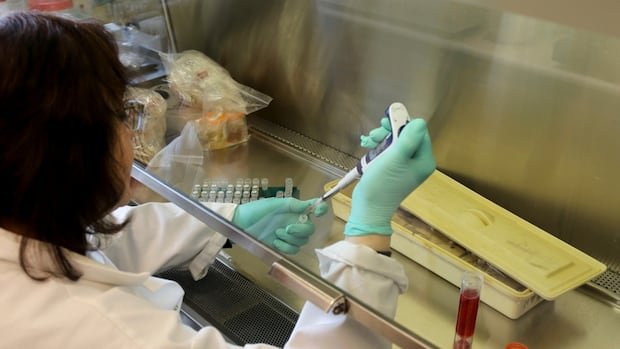

A prominent medical countermeasures laboratory project in Winnipeg, with an estimated cost of $267 million, is seen as a crucial initiative to proactively combat future pandemics. However, experts emphasize that the success of the facility will heavily depend on addressing significant challenges related to sustained funding, staffing, and governance.
Recently, the Canadian government awarded a $10.2 million design contract for the facility, set to be operational by 2033 adjacent to the National Microbiology Laboratory in Winnipeg. The new lab aims to fill a critical gap by enabling early-stage testing of vaccines, therapeutics, and diagnostic tools. Health experts stress the essential need for continuous investments in skilled personnel to transform the building into a world-class research center.
The facility is expected to enhance Canada’s capacity for preclinical trials, offering dedicated space for lab and animal testing within the country’s research and development framework. Currently, space limitations at the National Microbiology Laboratory sometimes necessitate repurposing facilities meant for high-risk pathogen research for preclinical trials.
Key stakeholders, including industry and academic partners, may utilize the lab spaces upon establishing appropriate agreements and screening processes. Expanding Canada’s ability to move vaccine discoveries from the lab to early human safety trials is widely supported by experts, who have advocated for such capacity building for over a decade.
To ensure the project’s long-term success, stability in funding is paramount. Experts stress the importance of consistent financial support over the next decade to advance research activities effectively. They emphasize the need for sustained investments in pandemic research, even during periods when health threats are not immediate.
Concerns have been raised about the governance and operational risks associated with the new lab. Experts caution against potential bureaucratic hurdles and funding issues if the facility is solely government-operated. They point to past challenges faced during the development of the Ebola vaccine as a lesson in navigating governance complexities within the government.
Despite these challenges, the Public Health Agency of Canada (PHAC) reaffirms its commitment to enhancing Canada’s medical countermeasures capacity. PHAC highlights ongoing funding to bolster preclinical research and talent pipeline development. The agency also underlines its efforts to bridge research and development with the private sector through Health Emergency Readiness Canada.
In conclusion, while the establishment of the medical countermeasures laboratory in Winnipeg marks a significant step in pandemic preparedness, addressing funding sustainability, staffing, and governance issues will be critical for its long-term success.